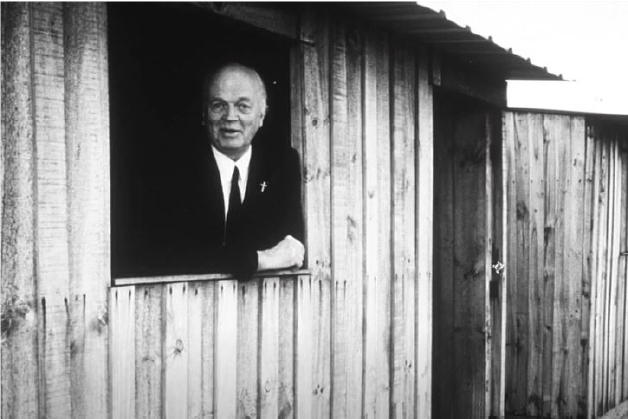
Father Josse van der Rest sj (1924 – 2020), a Jesuit priest born in Belgium, who lived in Chile from 1958 until his death.
Josse Gustave Marie Ghislain, born in Brussels on March 9, 1924, passed away quietly on July 24, 2020, in the midst of the COVID-19 pandemic.
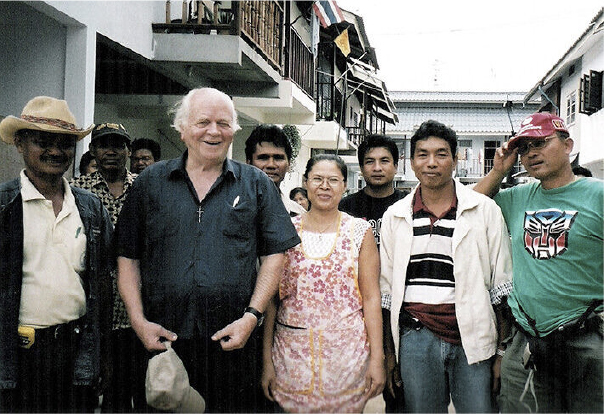
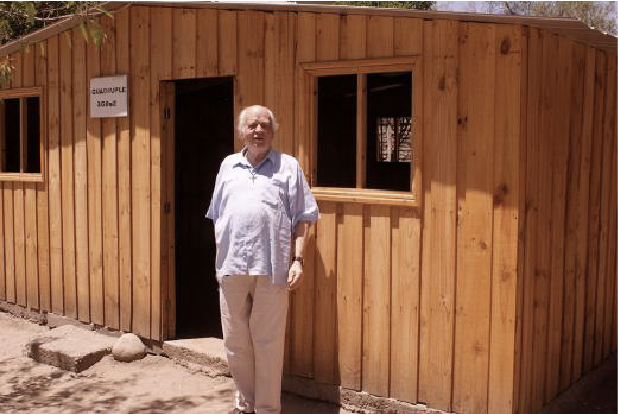
Known as Padre Josse, Father Josse, Père Josse, Oncle Josse, or simply Josse, he was known in Chile as "The Father of the Mediaguas," the term "mediagua" being used because of its roof, which typically had a single slope. Josse, very humbly, points out that "people invented it; all I did was industrialize it so that people would pay as little as possible."He left an indelible mark on many men and women, both in his two countries, Belgium and Chile, and in the rest of the world.
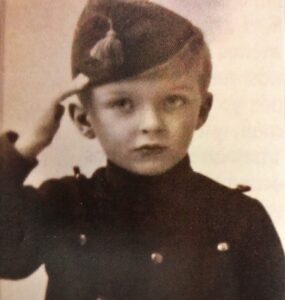
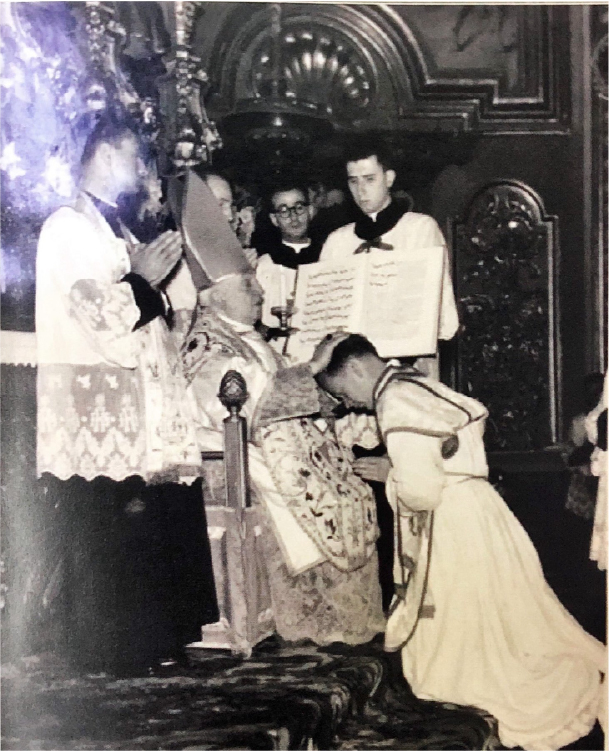
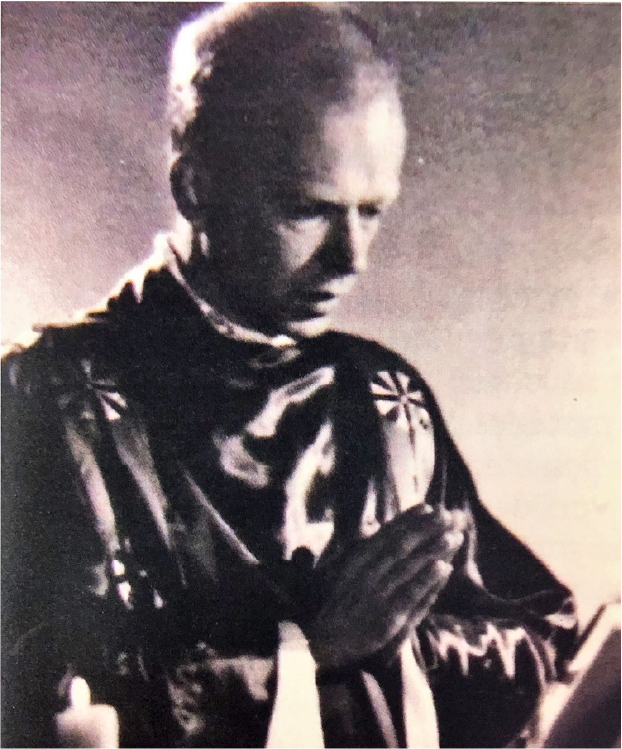
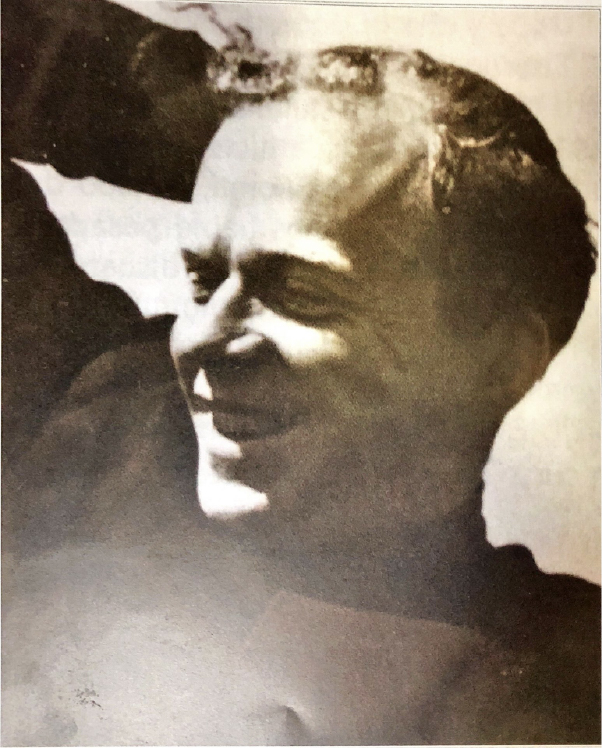
World War II played a decisive role in his life. He always remembered the day he arrived in the Black Forest (Germany) as a tank commander. There, among the rubble of a bombing raid, he saw a mutilated statue of the Sacred Heart of Jesus. A soldier, most likely American or British, had written the following phrase on the statue, made of cement according to Josse's account: "I have no other hands but yours". Josse said, “It was then that I felt the call. That phrase has remained like a dagger in my heart.” This episode marked Josse and defined his vocation. On October 3, 1944, he entered the seminary in Arlon. On July 9, 1955, Josse was ordained a priest in Rome.
During his third year, the final stage of Jesuit formation, he received a letter from the Superior General of the Society of Jesus, Father Janssen, who had been rector of the Faculty of Theology when Saint Alberto Hurtado, founder of the Hogar de Cristo (Home of Christ), had studied in Louvain (Leuven). This letter announced his departure for Chile. The journey from Antwerp took approximately a month by ship, and Father Josse arrived in Valparaíso on November 3, 1958.
Regarding his ideas, two phrases illustrate his thinking: “Two billion people in the world don’t have decent housing. Two billion people live in shacks, in slums, in camps… That’s why I fight,” Father Josse stated in an interview for the website historiactiva.jesuitas.cl. The second phrase reads: “Many people need to live under a roof now, not later, not even tomorrow. Today.”
Father Josse dedicated himself to addressing the housing problems of people living in poverty. He was deeply moved by the damage caused by the decay of impoverished urban families, without a fixed roof over their heads or crammed into cramped neighborhoods with relatives, all of which was destructive to human values. Therefore, their priority was to provide housing to as many people as possible.To this end, and to combat real estate speculation, he occupied land belonging to the State or the Church and quickly built small houses on it. It should be noted that this method of land appropriation (land invasions) already existed. The large-scale invasion that led to the creation of the district of "La Victoria" took place in 1957. But Father Josse scaled it up. The operation was generally carried out at night: a truck would bring the materials to an unoccupied plot of land belonging to the State, the Church, or a private individual. If the house was built by dawn, the family could stay there.
Father Josse based his actions on three convictions
Joan Macdonald (former executive director of SELAVIP), in a conversation about Father Josse's contributions to affordable housing (an interview that took place on August 24, 2020), explained that when Father Josse saw the precarious conditions in which people lived at that time on the outskirts of the city, trying to integrate themselves into it, they first tried to establish their presence, to conquer a space, a place, in the city and in society. According to Father Josse, a poor person who obtained a plot of urban land escaped poverty.
This desire for profit by certain individuals and powerful groups, protected by the system that allows this profit, accelerates immorality because it deprives people of access to a place to live.
Father Josse doesn't see houses, he sees human beings, families, and he understands that for a family to live in this precarious situation, in overcrowded and very dangerous conditions, is to risk the breakdown of their family unit, because a family truly needs a private space. He says it very clearly: they need a place where the couple can argue during the day and reconcile at night without the mother-in-law coming in.
Father Josse will take on a great challenge: fighting against the urban speculation that is suffocating the world. In an interview with Hogar, he states: “My entire fight is against urban speculation that separates the rich from the poor, because the areas where the poor go end up becoming ghettos, very far removed, for example, from where a woman can find work. It's about fighting against speculation, which prevents people from living well because the price of land is higher than the price of a house.” He adds: “It has been said that ‘the rich build first and move in later,’ and that ‘the poor move in first and build later.’ So he founded SELAVIP (Latin American, Asian, and African Service for Popular Housing), this private (and secular) foundation that funds housing projects for homeless people living in extreme poverty around the world. SELAVIP initially focused its fundraising activities in Latin America before expanding to Asia—thanks to the work of another Jesuit, Jorge Anzorena, SJ. Later, it expanded to Africa. Today, SELAVIP funds between 60 and 70 projects each year in Africa, Asia, and Latin America.”
 English
  Spanish